





HAZARDOUS AREA
CHILLERS IN OIL & GAS
Water Cooled
Chiller
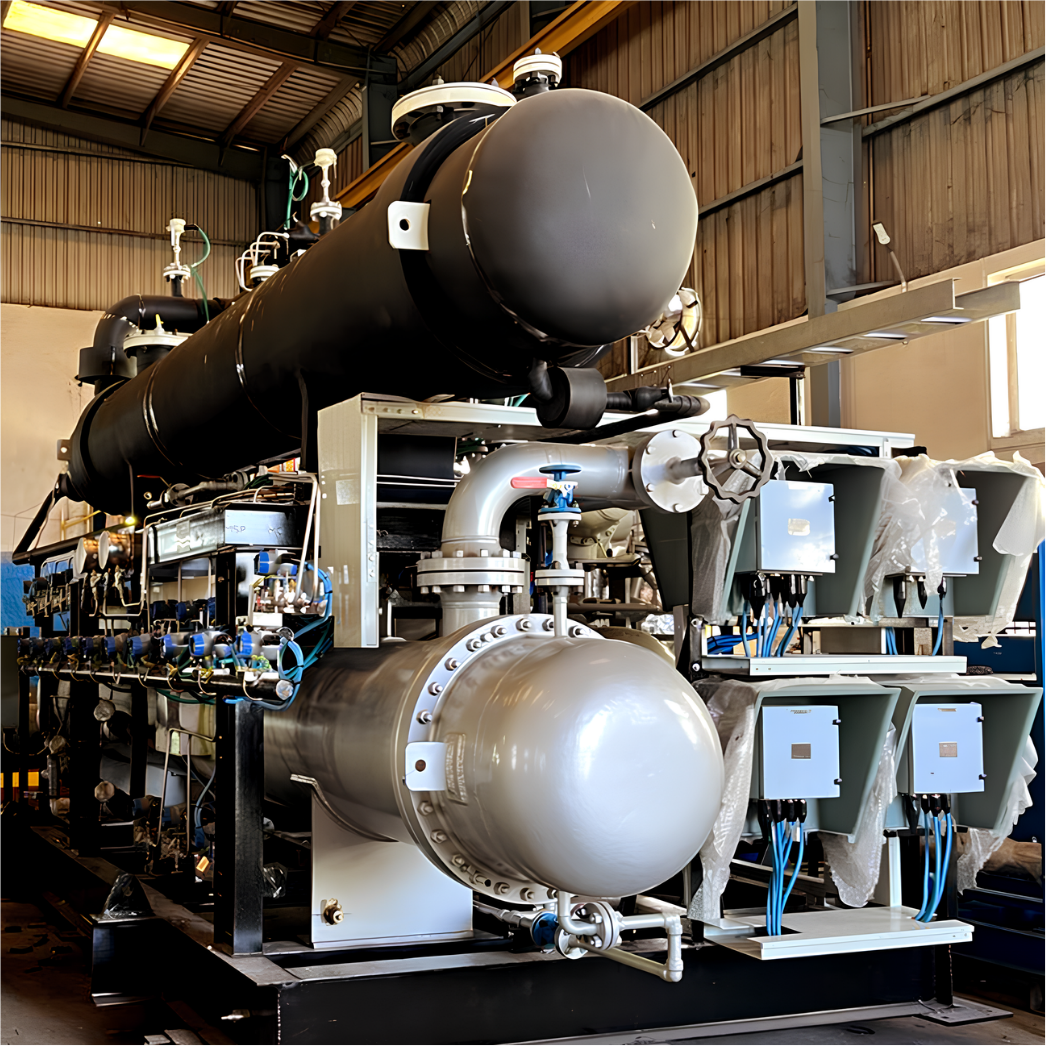
Air Cooled
Chiller




Options...
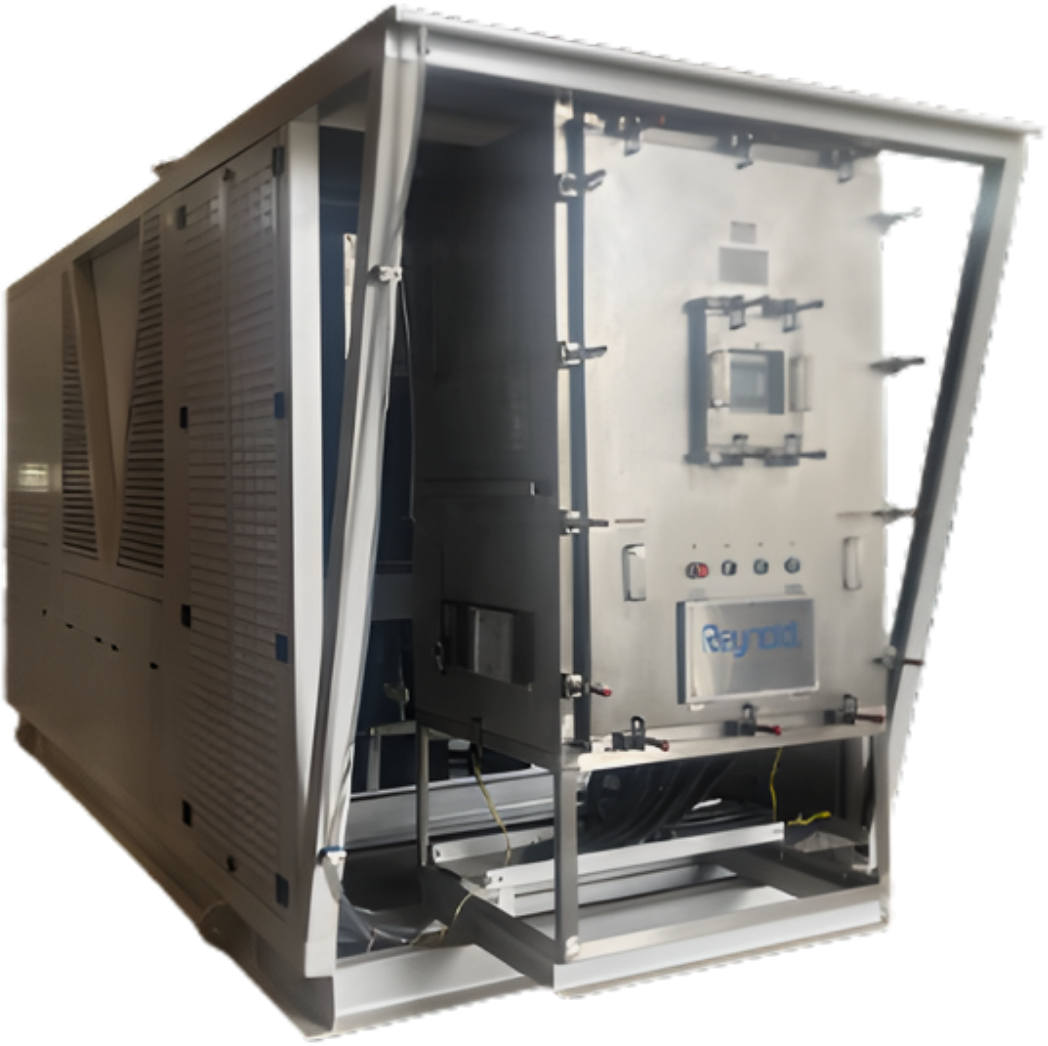
Hazardous Area Chillers in Oil & Gas
Hazardous Area Chillers in Oil & Gas are specialized industrial cooling systems designed for process and equipment cooling in locations where flammable gases, vapours or other hazardous substances may be present. Unlike conventional industrial chillers, hazardous-area chillers require additional consideration for electrical equipment, instrumentation, controls, enclosure protection and overall system design.
Reynold India designs and manufactures customized Hazardous Area Chillers for Oil & Gas applications, with solutions available in both air-cooled and water-cooled configurations. These systems are engineered according to the requirements of hazardous locations and can be developed for specific process conditions, area classifications and project standards.
Reynold India's published information includes hazardous-area solutions for Zone 1 and Zone 2, explosion-proof designs for gas groups IIA, IIB and IIC, and certification options including ATEX, IECEx, UL/US and NEMA, depending on the project requirements.
What Is a Hazardous Area Chiller?
A hazardous area chiller is an industrial refrigeration system designed to provide controlled cooling in an environment where potentially explosive gases or vapours may be present.
In oil and gas facilities, processes such as crude oil handling, gas processing, refining, petrochemical production, storage and transportation can create areas where flammable substances may exist. Electrical sparks, hot surfaces or unsuitable equipment in such locations can create serious risks.
Therefore, a hazardous-area chiller must be engineered with appropriate equipment and protection concepts for the classified area.
The refrigeration principle remains similar to a conventional chiller: heat is removed from a process fluid and rejected through the condenser. The major difference is the additional engineering required to make the equipment suitable for the intended hazardous environment.
Why Are Hazardous Area Chillers Required in Oil & Gas?
Cooling is an important part of many oil and gas processes. Equipment, lubricating systems, hydraulic systems, process fluids, electrical equipment and other plant systems may require controlled temperatures for reliable operation.
A conventional chiller may not be suitable for installation directly within a classified hazardous area because its electrical components, motors, control panels and other equipment may not meet the required protection level.
A hazardous-area chiller addresses this requirement through appropriate selection of electrical and mechanical components, protection systems, instrumentation and enclosures.
The exact design depends on the hazardous-area classification and the project specification.
Zone 1 and Zone 2 Hazardous Areas
Hazardous-area classification is an important part of selecting a suitable chiller.
Reynold India lists hazardous-area chillers designed for Zone 1 and Zone 2 applications.
The classification identifies the likelihood and duration of the presence of an explosive atmosphere. Equipment selection should therefore be based on the actual area classification provided by the project or plant engineering team.
A chiller intended for one hazardous classification should not automatically be assumed to be suitable for another. The complete equipment configuration, electrical components, instrumentation and certification requirements must be evaluated for the specific installation.
Explosion-Proof Chillers for Oil & Gas
Explosion-proof design is an important consideration for refrigeration equipment installed in hazardous locations.
Reynold India's hazardous-area chiller information includes explosion-proof designs for gas groups IIA, IIB and IIC.
Gas-group requirements are important because different gases and vapours can have different ignition characteristics. The electrical and associated equipment used in the chiller must therefore be selected according to the applicable hazardous-area classification and gas group.
This may include suitable motors, electrical panels, junction boxes, sensors, transmitters, switches and other electrical equipment.
Air-Cooled and Water-Cooled Hazardous Area Chillers
Reynold India offers both air-cooled and water-cooled hazardous-area chiller configurations for oil and gas applications.
- Air-Cooled Hazardous Area Chiller: An air-cooled chiller rejects heat directly to the surrounding air through condenser coils and fans. It can be considered where cooling-water availability is limited or where an air-cooled configuration is preferred by the project.
However, for hazardous-area installation, fans, motors, electrical components and associated controls must be appropriately selected for the specified area classification. - Water-Cooled Hazardous Area Chiller: A water-cooled configuration transfers heat from the refrigeration system to cooling water. It can be suitable for larger industrial installations where cooling-water infrastructure is available.
The choice between air-cooled and water-cooled equipment depends on cooling capacity, ambient conditions, utility availability, site layout, process requirements and project specifications.
Refrigerants for Hazardous Area Chillers
Refrigerant selection is an important part of the overall chiller design.
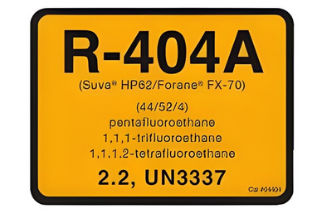
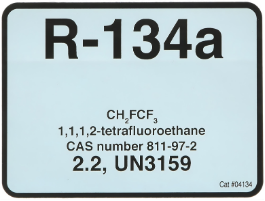
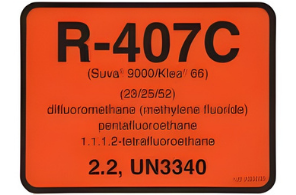
Reynold India's hazardous-area chiller page lists options including:
- R-404A
- R-134a
- R-407C
- R-410A
- HFO
- R-513A
The final refrigerant should be selected according to the required evaporating and condensing conditions, process temperature, cooling capacity, environmental considerations and applicable project requirements.
Refrigerant selection should always be considered together with compressor selection, heat exchangers, controls and the required operating envelope.
Important Features of Hazardous Area Chillers
Reynold India's published hazardous-area chiller specifications include several features intended for demanding industrial applications.
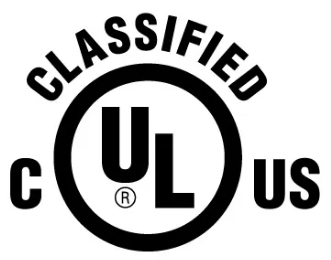
- ATEX and IECEx Options: ATEX and IECEx certifications are listed among the available certification options. UL/CSA options are also referenced for applicable configurations.
The specific certification applicable to a project should always be confirmed against the final equipment configuration and project specification. - NEMA Enclosures: NEMA-standard enclosures are specified for electrical controls, junction boxes and motors in the hazardous-area chiller range.
Appropriate enclosure selection helps protect electrical equipment against the environmental and installation conditions for which the equipment is designed. - Special Metallurgy: Hazardous-area projects may involve demanding environmental conditions, including corrosive atmospheres and outdoor installations. Reynold India specifies special metallurgy for equipment and accessories according to hazardous-area requirements.
- Skid-Mounted Design: Reynold India lists skid-mounted hazardous-area chiller designs with nominal capacities of up to 1800 TR.
A skid-mounted arrangement can simplify transportation, installation and integration of the packaged system, subject to the project layout and site requirements. - Microprocessor Control: The published specifications also include microprocessor-based control with remote monitoring and data logging.
These features can help operators monitor important operating parameters and support plant-level equipment management.
Applications of Hazardous Area Chillers
Hazardous-area chillers can be used in various oil, gas and petrochemical facilities, including:
- Oil and gas processing plants
- Refineries
- Petrochemical plants
- Offshore oil and gas platforms
- Gas processing facilities
- LNG and gas-related installations
- Hydrocarbon processing plants
- Chemical plants
- Compressor cooling applications
- Process equipment cooling
- Hydraulic system cooling
- Electrical and instrumentation cooling
- Industrial process cooling
The actual application should be evaluated based on the required cooling duty and hazardous-area classification.
What Should Be Considered Before Selecting a Hazardous Area Chiller?
Selecting a hazardous-area chiller requires more information than simply specifying cooling capacity.
Important design parameters include:
- Required cooling capacity
- Process inlet and outlet temperature
- Ambient temperature
- Cooling-water conditions, if applicable
- Refrigerant selection
- Area classification
- Zone classification
- Gas group
- Electrical supply
- Required certification
- Enclosure requirements
- Process fluid characteristics
- Installation location
- Control and communication requirements
- Applicable international and project standards
The chiller should be engineered only after these requirements are clearly established.
Customized Hazardous Area Chillers for Oil & Gas
Oil and gas projects often have highly specific requirements. A chiller designed for an offshore platform may have different requirements from a chiller installed in a refinery or gas-processing facility.
Factors such as marine atmosphere, ambient temperature, corrosion protection, hazardous-area classification, equipment layout and remote monitoring can influence the final design.
Reynold India describes its hazardous-area chillers as customized according to specific process requirements and supported by dedicated engineering capabilities covering engineering, fabrication, testing and site commissioning.
This project-based approach is particularly useful when the chiller must be integrated into an existing process or meet detailed client and consultant specifications.
Why Choose Reynold India?
Reynold India has specialized experience in industrial and customized refrigeration systems and includes Hazardous Area Chillers in Oil & Gas within its Project Division.
The company also states that its manufacturing and testing facilities use engineering, fabrication and testing practices covering standards and requirements including ASME, TEMA, HTRI, ATEX and other project-specific specifications.
For hazardous-area projects, Reynold India's approach focuses on developing the refrigeration system around the required process conditions, hazardous-area classification, applicable certifications and site environment.
Frequently Asked Questions
- What is a Hazardous Area Chiller? A hazardous-area chiller is a refrigeration system specifically engineered for installation or operation in areas where flammable gases or vapours may be present. Its components and protection systems are selected according to the applicable hazardous-area requirements.
- Where are hazardous-area chillers used? They are commonly used in oil and gas processing plants, refineries, petrochemical facilities, gas processing plants, offshore installations and other industrial facilities with classified hazardous areas.
- Are Reynold India hazardous-area chillers available in air-cooled and water-cooled versions? Yes. Reynold India's product page lists both air-cooled and water-cooled hazardous-area chiller configurations.
- What hazardous zones can these chillers be designed for? Reynold India's published specifications include designs for Zone 1 and Zone 2 hazardous areas.
- Which gas groups can be supported? The published product information includes explosion-proof designs for gas groups IIA, IIB and IIC.
- What certifications are available? Depending on the project and final configuration, Reynold India lists certification options including ATEX, IECEx, UL/CSA, UL-US, NEMA and ASME references. The exact certification should be confirmed for the specific equipment and project specification.
Get a Hazardous Area Chiller for Your Oil & Gas Project
A Hazardous Area Chiller for Oil & Gas is not simply a conventional chiller with additional protection. The refrigeration system, electrical equipment, controls, instrumentation, enclosure, materials and safety requirements must be considered together according to the classified area and project specification.
Reynold India provides customized hazardous-area chiller solutions in air-cooled and water-cooled configurations, with options designed around Zone 1 and Zone 2 applications, gas groups IIA, IIB and IIC, and project-specific certification requirements.
If you are planning a refinery, oil and gas plant, petrochemical facility, offshore installation or other hazardous-area project, Reynold India can evaluate the required cooling capacity, process conditions, hazardous-area classification and applicable standards to develop a suitable chiller configuration.